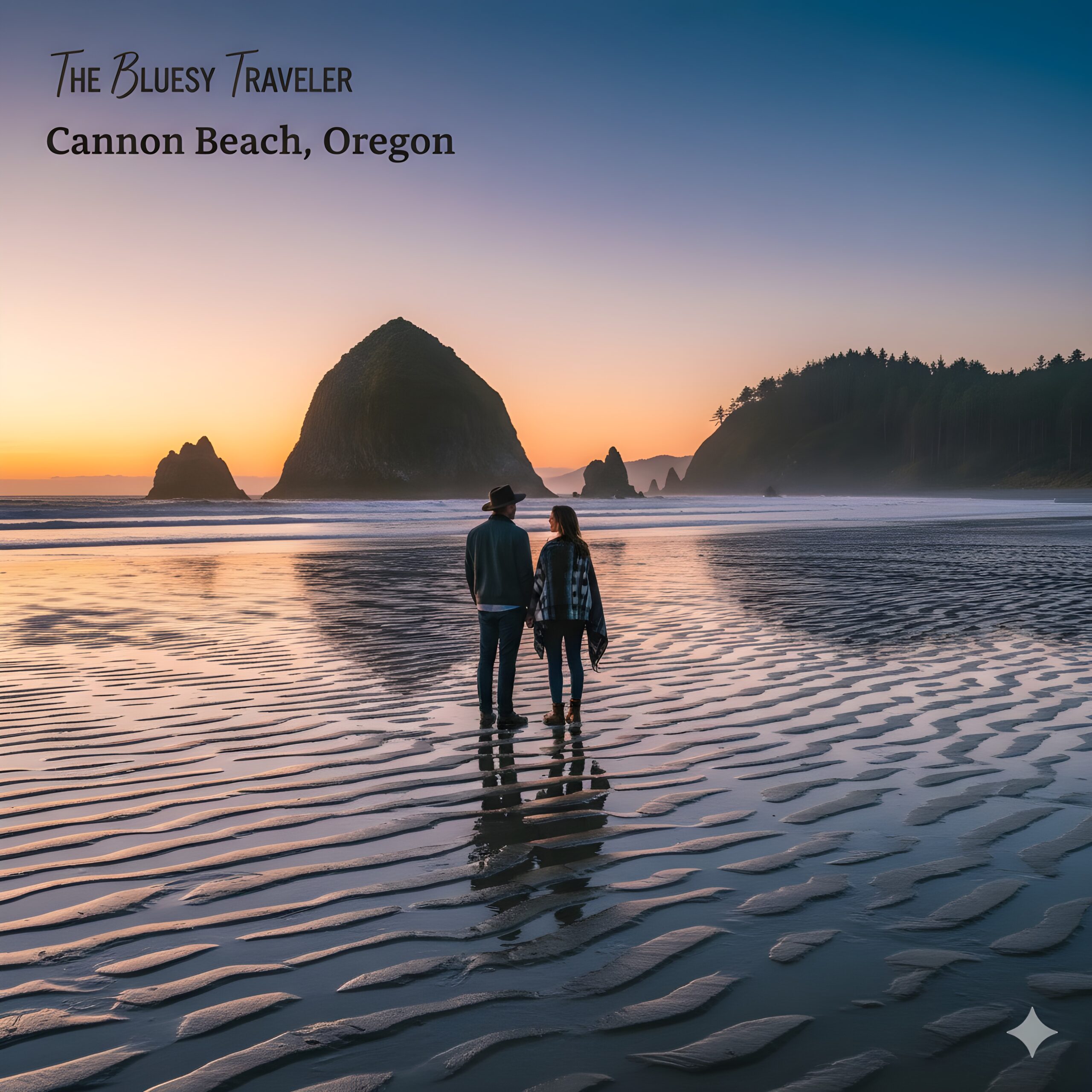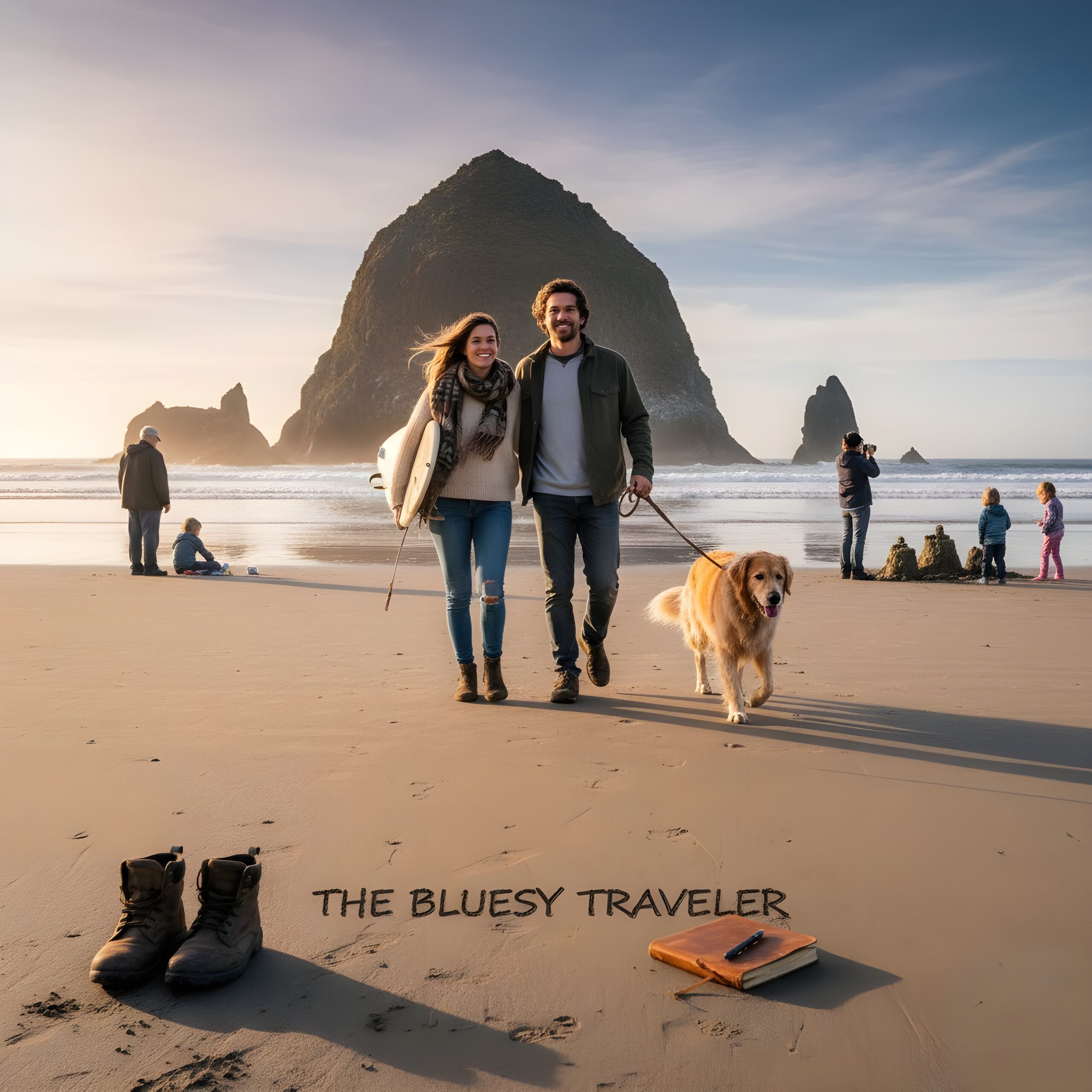
Cannon Beach, Oregon, known for its stunning natural beauty, is also a great place to get closer to wildlife. From puffins to elk, Cannon Beach has it all.
Birds
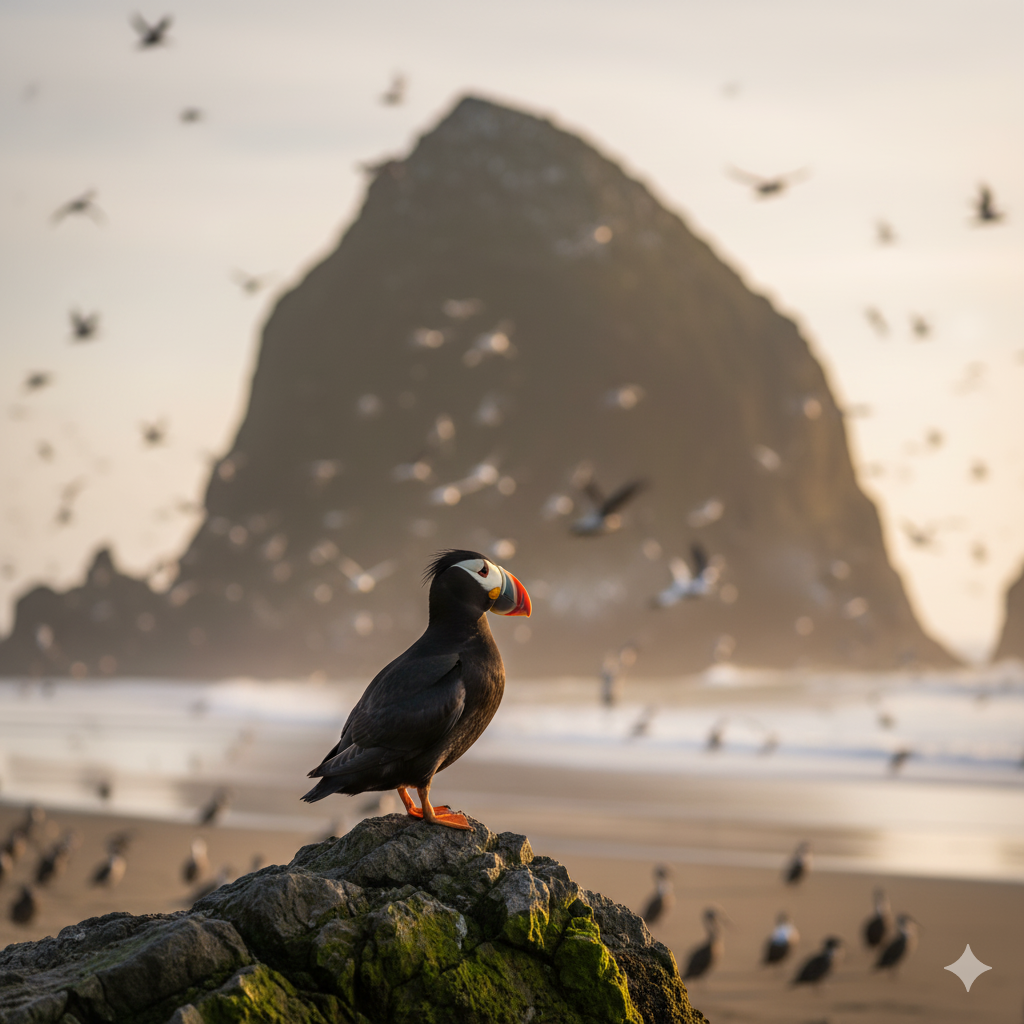
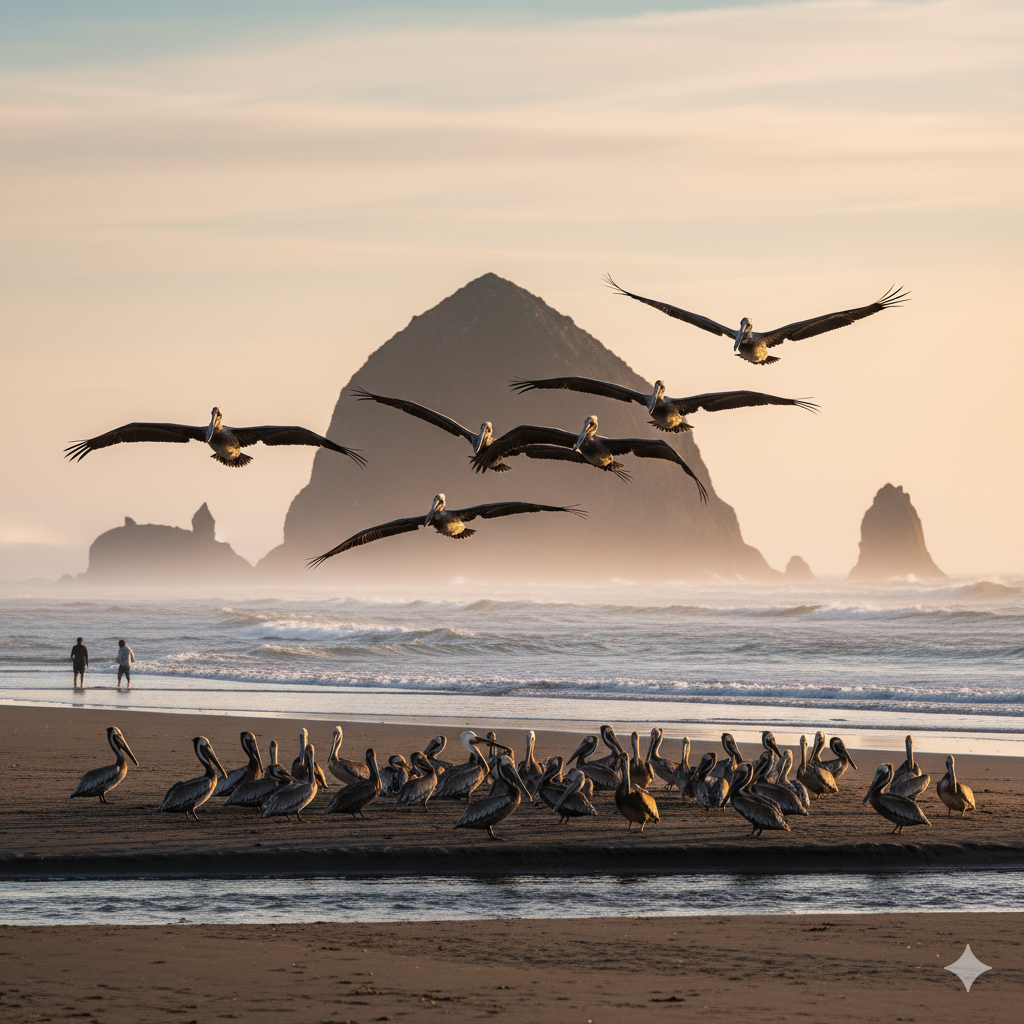
Starting with the iconic Haystack Rock, this natural monument is a safe home for hundreds of species of birds. Visiting Cannon Beach, you can see all the birds circling its top and relax in the sand to the soothing sounds of their calls. The summer visitors include: tufted puffins, black oystercatchers, brown pelicans, and harlequin ducks.
There are about 100 tufted puffins that nest on the rock each summer, most of whom have already found their long-term partner and return to the same nest each year to breed. They are residents of Haystack Rock from early April to mid-August, and pufflings start to hatch in late June. Pufflings are rarely seen, due to the ever-constant threat of circling bald eagles and peregrine falcons, but human visitors of Haystack Rock can often see parent puffins flying fish to their young.
Black Oystercatchers make their nests at the base of Haystack Rock, preferring the rocky terrain, and are very loud and conspicuous visitors. Due to this, special care has to be paid to them to prevent human or domestic animal disturbance and natural predators. These birds have been listed as a species of concern by the US Fish and Wildlife Services, but their populations have stabilized along the Oregon coast due to exhaustive efforts by their conservation organizations. Nesting pairs are highly territorial, so usually only 1 nesting pair is present at Haystack Rock.
Brown pelicans are highly plentiful in Cannon Beach! Groups of 8-10 constantly fly close to the surf or dive into the water farther out for their meals. Even larger groups sit and socialize in the sand near Ecola Creek on the north end of the beach. These pelicans are HUGE. Truly an amazing sight to see while enjoying Cannon Beach’s beautiful scenery. Brown pelicans made a full return in North America after being dangerously close to extinction in the 1960s and 1970s. DDT was thinning the shells of their eggs, which breeding pairs stand on during the incubation period. Careful pesticide control allowed these beauties a second chance to awe their frequent visitors!
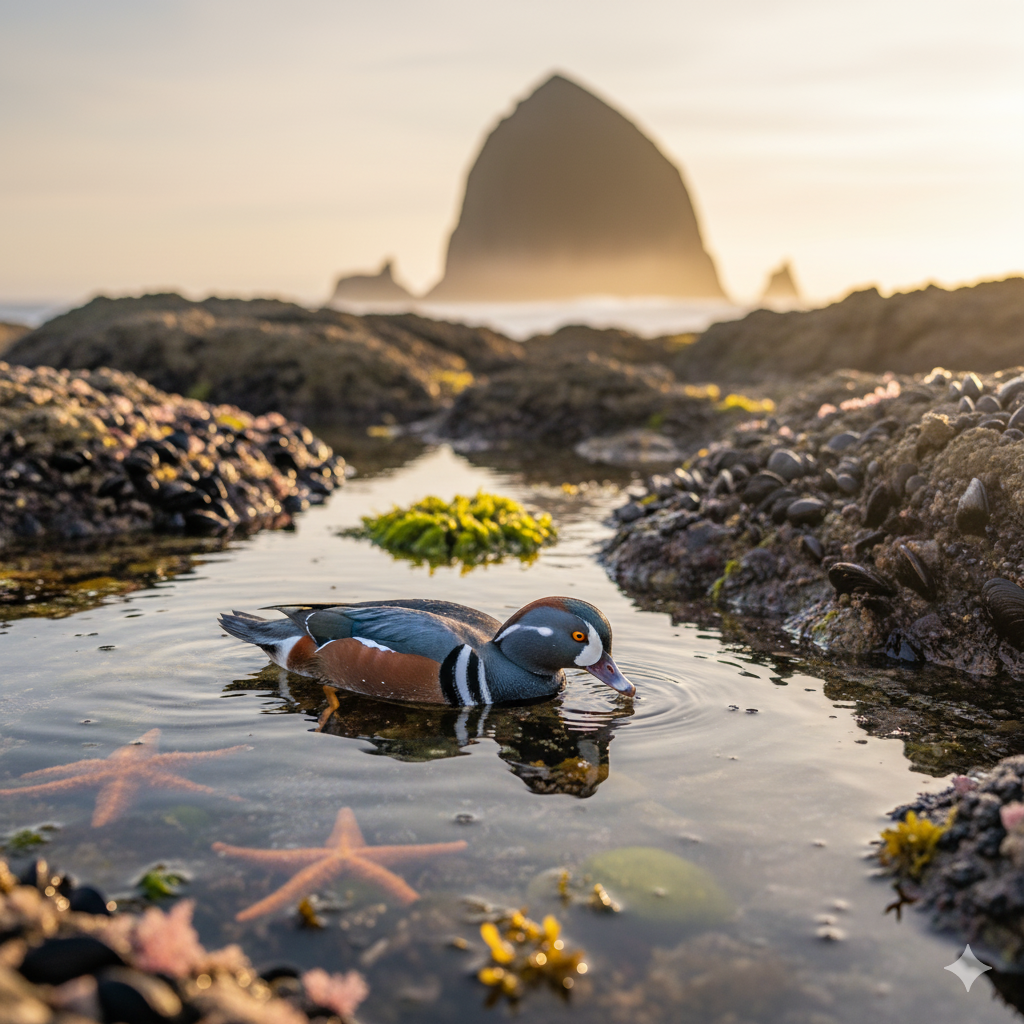
The Harlequin duck is a small, beautiful sea duck populating the Oregon coast and the West Cascades. They uniquely prefer cold, fast-moving streams with surrounding boulder substrate. Due to these specific needs, their breeding is quite low compared to other ducks or waterfowl. Harlequin ducks spend most of the year in the Haystack Rock tidepools and shore crags, feeding on small invertebrates and fish roe. These birds are being carefully watched by Oregon conservation organizations to prevent them from being overhunted or chased out of their habitat.
3 of these avian populations are noticeably declining all along the west coast of North America and environmental scientists are working tirelessly to help them thrive! If you feel tempted to take part in this important cause, visit friendsofhaystackrock.org/birds to make a donation!
Tidepools
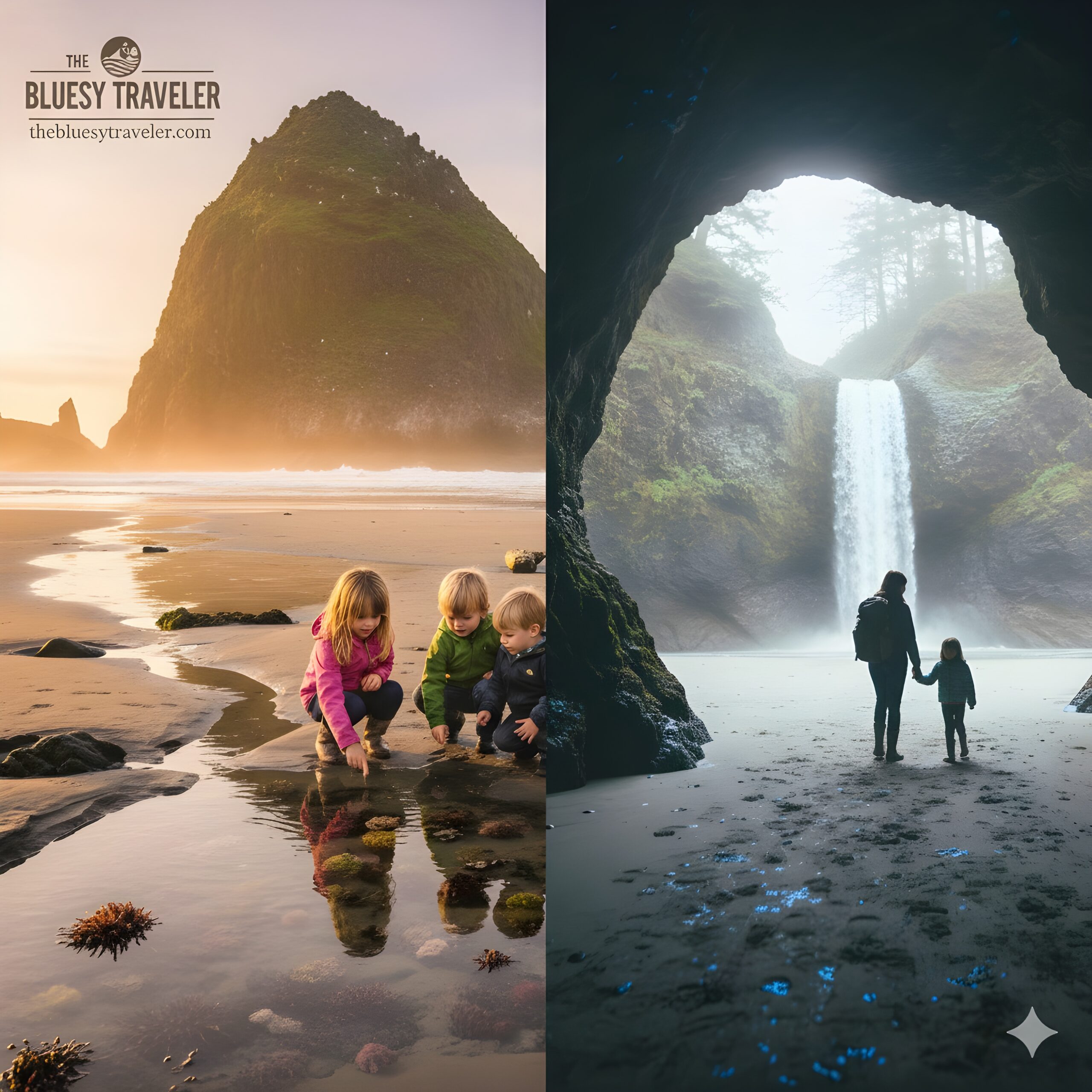
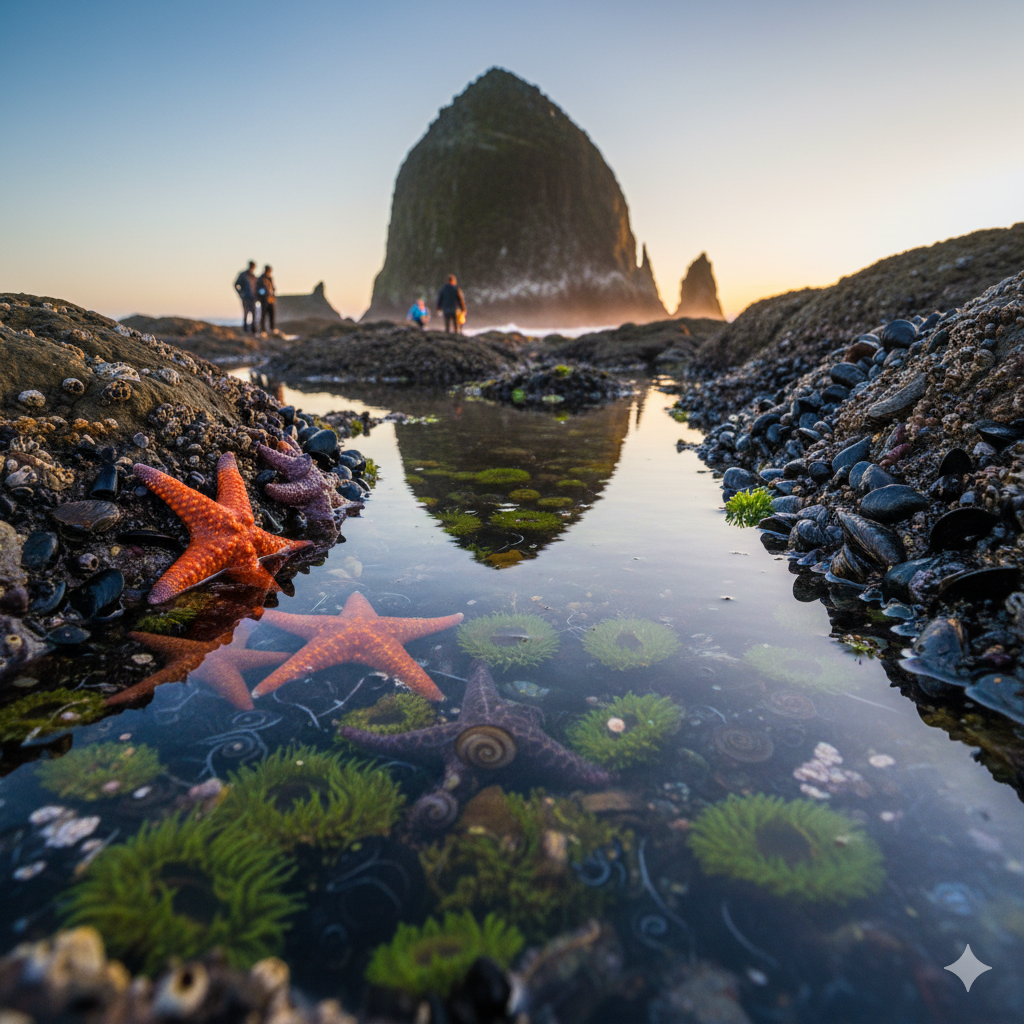
Cannon Beach proper, and its satellite state parks and beaches, host a variety of tidepools with abundant marine life. Starfish and large anemones are the most obvious, as wading through the tidepools requires the visitor to step carefully around them. However, crabs, limpets, barnacles, clams, coral, sea sponges and sea slugs are also found in these tide pools. The most easily accessible tidepools are surely at the base of Haystack Rock. There is a huge field of tidepools full of a large array of marine life. You can even wade through them safely at low tide, and engage a volunteer from the Haystack Rock Awareness Program to learn more about the marine life commonly seen in Cannon Beach or along the Oregon Coast.
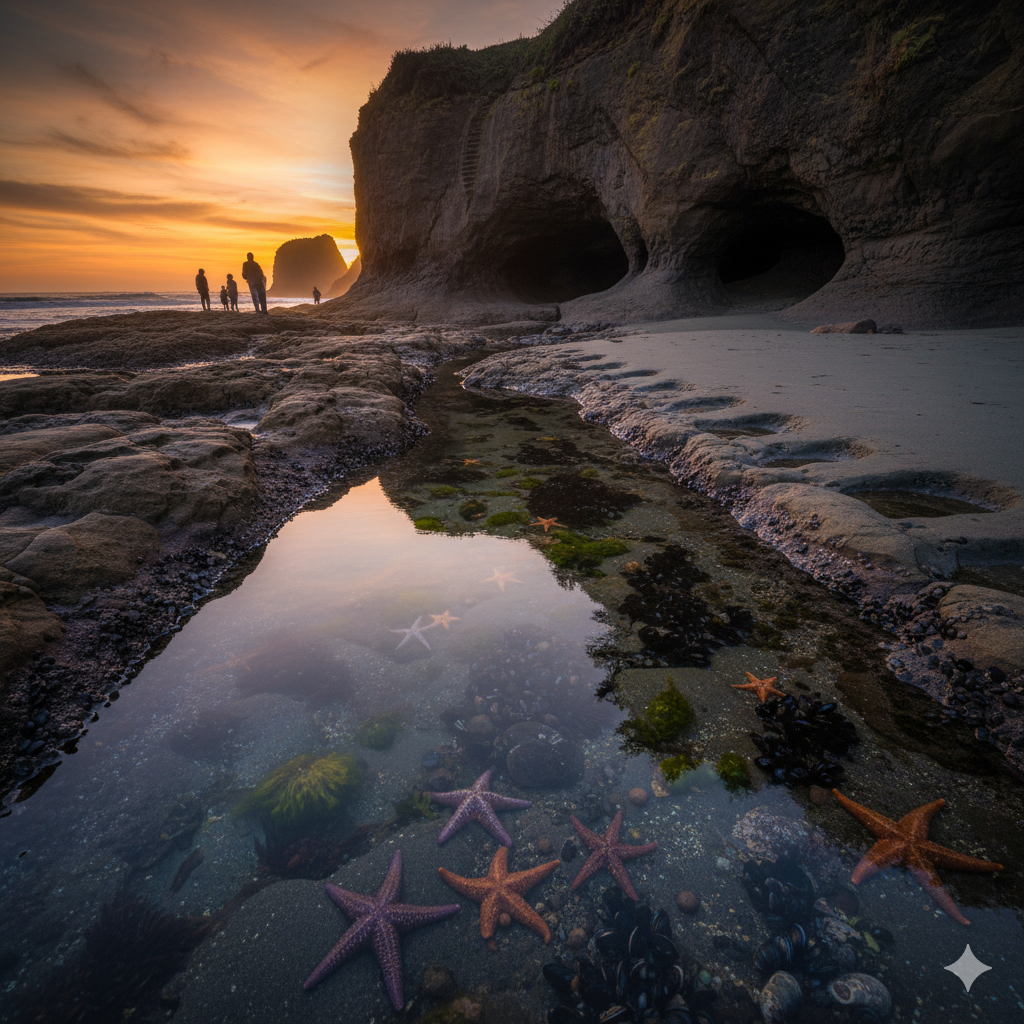
Hug Point is another popular state park for visitors to go tidepooling. Hug Point also has natural caves eroded into the sandstone by millions of years of waves, and stagecoach wheel ruts carved into the sandstone by America’s earliest pioneers. Be warned: tidepools, caves and the park’s history are only viewable at low tide, as the cave at Hug Point gest filled with water at high tide. Be sure to check the tidal charts before going!
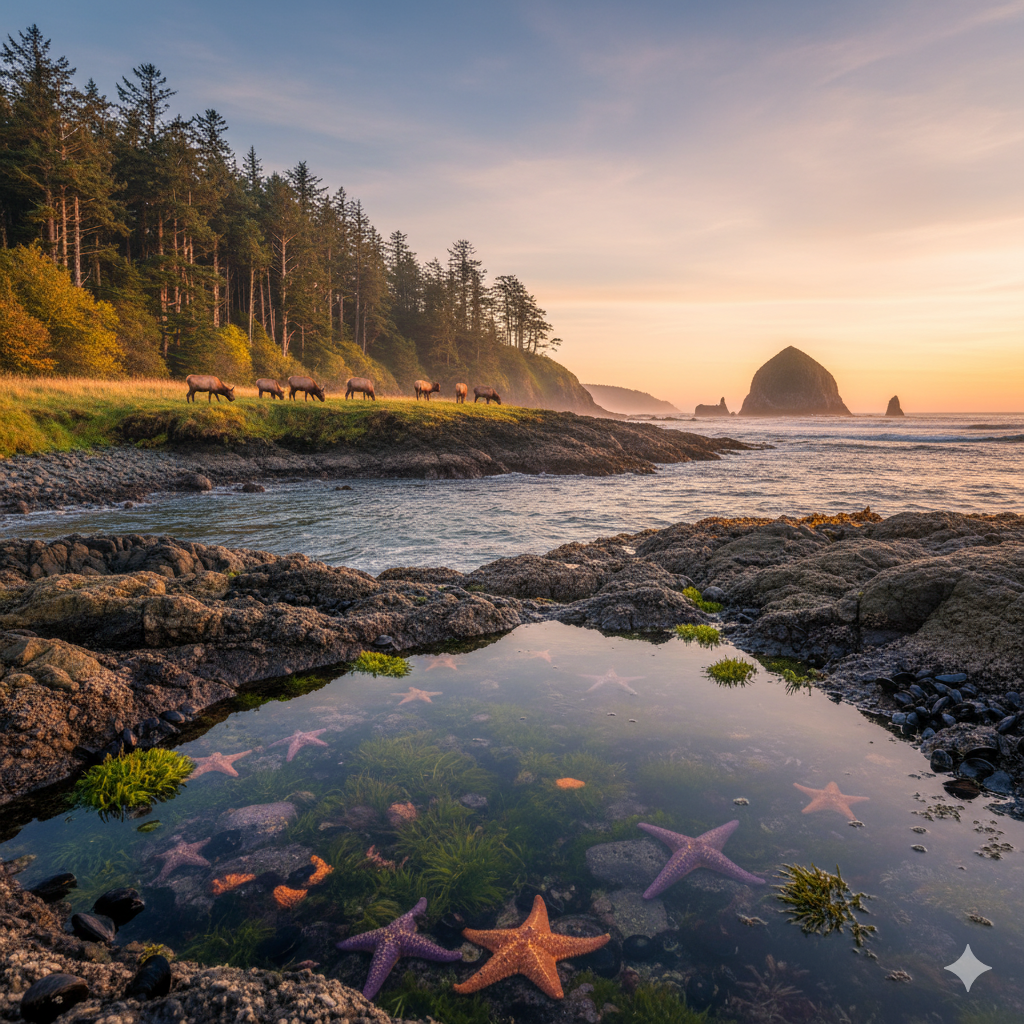
Ecola State Park, easily one of the most scenic parks in the vicinity of Cannon Beach, also offers tidepools. Indian Beach is a secluded part of the park, hosting a few local surfers and beachgoers, with a few tidepools to wade through. While tidepooling, you may be able to see the famous Roosevelt elk that heavily populate Ecola State Park. Dawn and dusk in the park’s many meadows are the best place to run into them, or on a drive along the local highway. Visitors are encouraged never to approach any wild animals and to wade through tidepools with the utmost care.
Don’t feel like driving to see a tidepool? Take a walk along any local beach to spot sand dollars, starfish and other treasures!
Other Marine Life
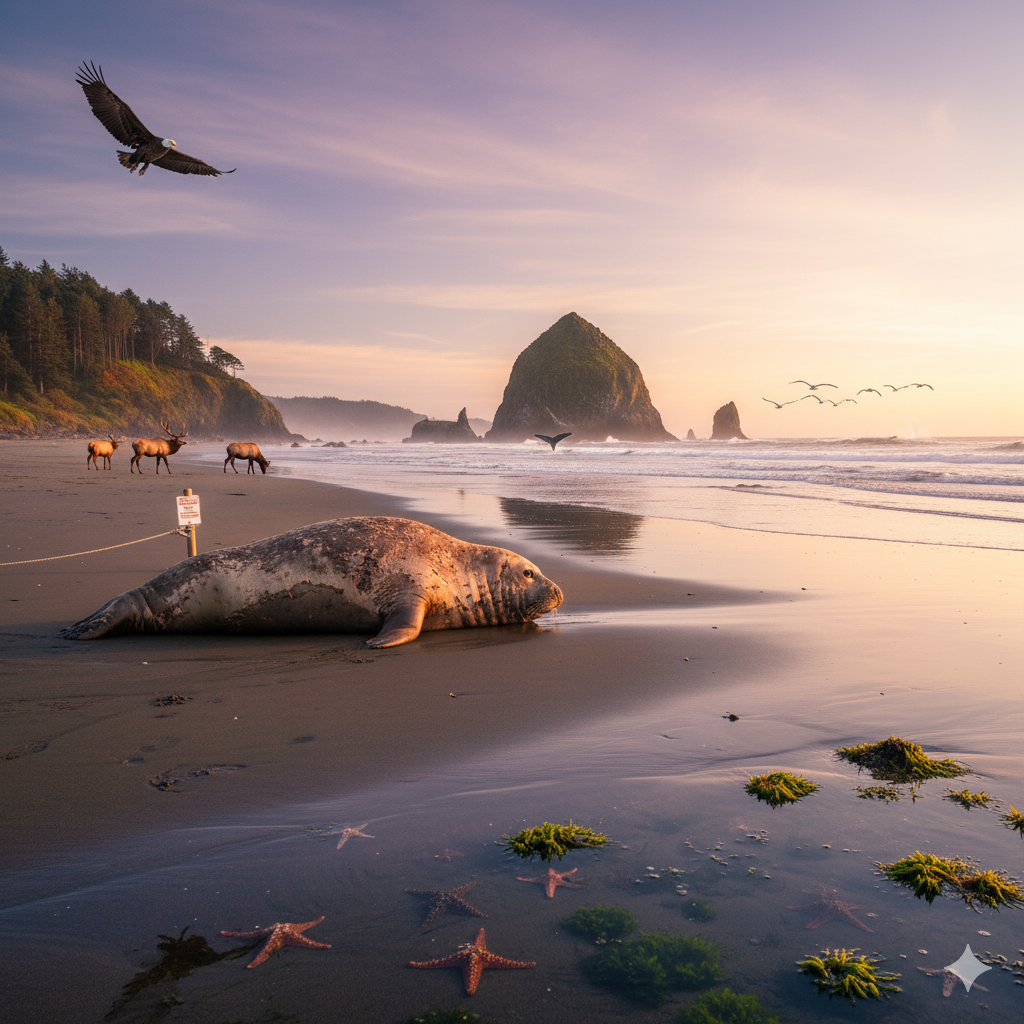
Northern Elephant seals are a local resident at Cannon Beach. Each year in the spring and summer, a few youngsters haul themselves out on Cannon Beach to molt, losing their current coat and regrowing a brand new one. The Haystack Rock Awareness Program protects these youngsters from being disturbed and allows them the space required to finish molting before returning to the ocean. Please take your pictures and admire these beautiful animals at a respectful distance!
In December and March, 20,000 whales migrate along the Oregon coast! Grey whales are the most common, but orcas, blue whales and humpback whales have also been spotted. Ecola State Park in Cannon Beach and Cape Lookout State Park in Tillamook offer prime vantage points right near Cannon Beach Proper. If you want to take a day trip south, Neahkhanie Mountain offers another great view for whales during the right season! Bring your hiking boots and a picnic and spend a beautiful day at the parks!
About the Author
Maya Willis was born and raised in Phoenix, Arizona but loves to travel with her friends, family and partner. She particularly enjoys nature outings, with beautiful scenery, fresh air and a laid-back atmosphere, but occasionally enjoys stepping into a new city for a few days or weeks! Maya has travelled Europe extensively, visiting 7 countries, and has also visited Australia and Canada. She has explored most of the West Coast of the United States, with the midwest and the east coast on her bucket list. Maya loves to collect stories and memories on each trip and can’t wait to share them all with you!